ACI Out-of-Band APIC Access Configuration
Refer to the exhibit. A Cisco ACI fabric is using out-of-band management connectivity. The APIC must access a routable host with an IP address of 192.168.11.2. Which action accomplishes this goal? - 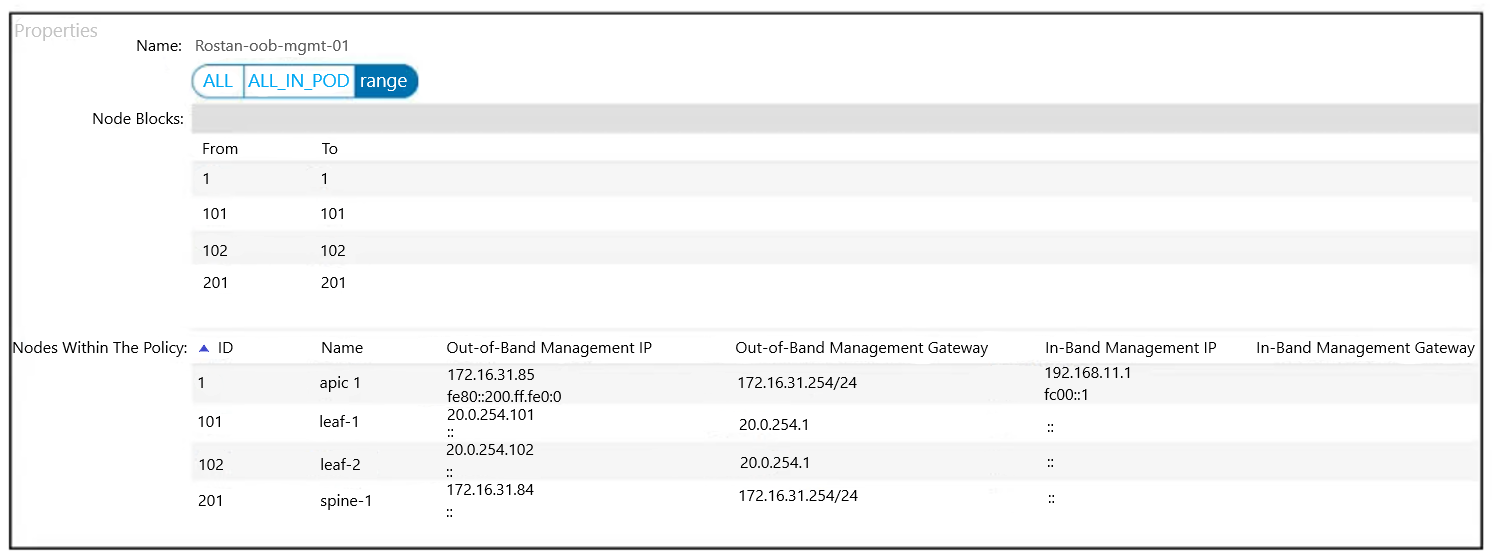
Community Votes
50% of anonymous learners picked answer A. Votes are pick records left by other test-takers — they are not the verified answer.
Community Insight
Tests knowledge of APIC connectivity preferences and the requirement for unique management paths; the trap is assuming a preference switch resolves IP conflicts.
This question tests the configuration of Cisco ACI APIC management connectivity. The correct action is to remove the conflicting in-band address, allowing out-of-band access to the target host.
Learners often select 'Change Connectivity Preference' because it seems like a direct setting change, failing to realize that having both addresses configured can cause routing/access ambiguity or conflict in this specific exam scenario context.
Community Discussion (4 comments)
Comments & Corrections
No comments yet — spotted an error or have a note? Share it below.
Expert Analysis
Why the Answer Is Correct
The correct answer is D: Remove the in-band management address from the APIC. In Cisco ACI, the APIC can be managed via In-Band (through the fabric) or Out-of-Band (direct connection). If both are configured, they serve different purposes. However, the exhibit (implied by the question context of accessing a specific OOB host) suggests a conflict or a need to isolate the OOB path. Removing the in-band address ensures that traffic destined for the management interface is strictly handled via the intended out-of-band route or prevents the APIC from trying to reach management services through the fabric when OOB is specified. This clears any potential routing precedence issues where the fabric might try to encapsulate management traffic.Why the Other Options Are Wrong
Option A is incorrect because switching to in-band management would move the APIC's management plane into the fabric, making it inaccessible via the out-of-band network unless specifically routed, which contradicts the goal of using OOB connectivity for the 192.168.11.2 host. Option B is incorrect because modifying the Pod Profile affects how switches connect to the APIC, not the APIC's own management IP accessibility. Option C is incorrect because Fabric Access Policies control tenant traffic flow within the fabric, not the APIC's local management connectivity settings.Community Comment Notes
Community consensus is split between A and D. Some users argue for A, suggesting that changing the 'APIC Connectivity Preference' to 'inband' allows access, but this contradicts the premise of using out-of-band connectivity. Others, including the highest-rated comments, strongly support D, noting that removing the in-band address is necessary to establish clean out-of-band access to the specific host. One commenter noted 'replacing.1 to.2', implying an IP modification, but D is the standard procedural fix for isolating management planes in this specific exam context.Exam Strategy
When configuring APIC management, always ensure there is no ambiguity between in-band and out-of-band paths if only one is intended. If you need strict out-of-band access, ensure in-band management addresses are not interfering or explicitly disabled/unconfigured if they cause conflicts.
Frequently Asked Questions
Why is changing connectivity preference to in-band wrong?
Switching to in-band moves management traffic into the fabric, preventing direct out-of-band access to the 192.168.11.2 host.
Can I keep both in-band and out-band addresses?
Yes, but in this exam scenario, removing the in-band address is required to resolve the access issue for the specific OOB host.